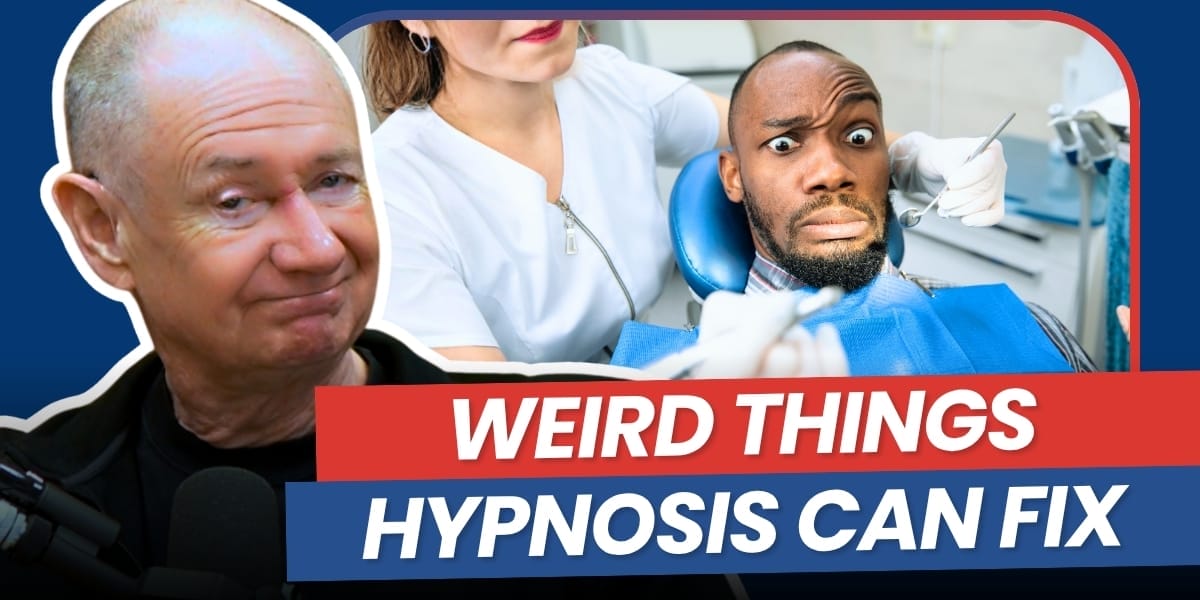
A spinning ceiling fan sends someone into panic. The sound of popcorn crunching in a movie theater sparks instant rage. A harmless jar of mustard triggers anxiety so intense that grocery shopping becomes stressful. These reactions sound strange on the surface, yet they reveal something fascinating about the human brain.
The mind is constantly creating associations beneath conscious awareness. Certain sounds, objects, sensations, or situations can become emotionally charged without any logical explanation. That is where hypnosis becomes especially interesting. While many people think of hypnosis as a tool for relaxation or stage entertainment, modern hypnosis techniques are often used to help people change deeply rooted emotional responses, irrational fears, phobias, and unconscious triggers.
From misophonia to unusual anxieties, hypnosis works by addressing the automatic patterns running in the background of the mind. Instead of forcing someone to “just get over it,” hypnosis helps uncover and rewire the unconscious processes causing the reaction.
Why the Brain Creates Irrational Reactions
The human brain is designed to learn quickly. That is helpful when learning a language, avoiding danger, or developing habits. The problem is that the brain does not always distinguish between genuine threats and emotionally charged experiences.
A stressful or emotionally intense moment can create an unconscious association that sticks for years. Over time, the reaction becomes automatic.
This is often the root of irrational fears and emotional triggers. A person may fully understand that a ceiling fan, a spider, or a blood pressure cuff is harmless, but their nervous system reacts anyway. The response feels real because the unconscious mind has already categorized the experience as important or threatening.
This is commonly seen in conditions like misophonia, where specific sounds trigger strong emotional reactions. Chewing noises, whispering, repetitive tapping, or breathing sounds can create immediate irritation, panic, disgust, or anger.
For many people, the reaction feels impossible to control.
That is because these responses are not usually driven by conscious thought. They are automatic emotional patterns.
How Hypnosis Helps Rewire Emotional Triggers
One reason hypnosis is effective for phobias, anxiety, and unusual emotional reactions is that it works directly with unconscious processes.
Instead of analyzing the problem intellectually, hypnosis helps change the emotional and neurological pattern connected to the trigger.
There are several hypnosis techniques commonly used for this type of work.
NLP Timelines
NLP Timelines is an intervention designed to identify the original sensitizing event connected to the problem.
The idea is simple. Many emotional reactions began somewhere, even if the conscious mind no longer remembers the experience clearly.
When working with Timelines, a person may revisit earlier memories connected to the emotional response. Once the brain reconnects with the original event from a calmer and more resourceful perspective, the emotional charge often weakens significantly.
This approach is commonly used for phobias, anxiety, fears, and emotional triggers.
The Control Panel Technique
The control panel method uses imagination in a highly focused way.
During hypnosis, the person imagines a mental control panel with switches, levers, or dials connected to emotional intensity. The sensitivity connected to the trigger is then adjusted downward.
It sounds simple, but the unconscious mind responds strongly to symbolic mental experiences. Because hypnosis amplifies focus and imagination, these techniques creates genuine emotional shifts.
This technique is especially useful for anxiety reduction and emotional regulation.
Ego State Therapy
Ego state therapy works with the idea that the mind contains different “parts” or emotional states that serve specific roles.
One part may feel confident and calm. Another part may hold fear, anxiety, or emotional pain connected to past experiences.
In some cases, only one specific emotional state is responsible for the trigger reaction. Hypnosis helps identify and communicate with that part of the mind to create change.
This approach is often used in trauma-informed hypnotherapy and emotional healing work.

Learn Hypnosis Online
With the Mike Mandel Hypnosis Academy.
World Class Training—Hypnotize Anyone.
Misophonia and Hypnosis
Misophonia is one of the most fascinating examples of unconscious emotional conditioning.
People with misophonia are not simply annoyed by sounds. Their nervous systems react intensely to specific auditory triggers. The reaction can feel immediate and overwhelming.
Common triggers include:
- Chewing sounds
- Whispering
- Breathing noises
- Repetitive clicking
- Crunching food
- Tapping sounds
For some individuals, visual cues become linked to the sound as well. A moving ceiling fan, for example, may trigger discomfort because the brain has associated both the visual image and the sound together.
Hypnosis for misophonia focuses on reducing the emotional response connected to these triggers. Techniques such as regression to cause, dissociation, tapping methods, and ego state work may help retrain the brain’s automatic reactions.
While every person responds differently, many people report significant improvement once the unconscious emotional pattern changes.
Why Phobias Can Change Faster Than People Expect
One of the most surprising things about hypnosis for phobias is how quickly change can sometimes happen.
Many people assume that long-standing fears must take years to resolve. Yet the brain often learns fears almost instantly.
A frightening moment during childhood, an embarrassing experience, or a sudden emotional shock can create a lasting fear response in seconds.
The unconscious mind learns quickly.
Because the original learning happened rapidly, change can also occur rapidly under the right conditions.
This does not mean every problem disappears overnight. However, it explains why hypnosis for fear and anxiety often works much faster than people expect.
Common fears addressed with hypnosis include:
- Fear of heights
- Fear of flying
- Fear of public speaking
- Fear of spiders
- Social anxiety
- Health anxiety
- Fear of medical procedures
- Driving anxiety
In many cases, the goal is not to erase awareness or caution. The goal is to remove the excessive emotional reaction that interferes with normal life.
The Role of Selective Attention in Hypnosis
One of the most overlooked aspects of hypnosis is selective attention.
When the mind becomes intensely focused on an idea, suggestion, or imagined experience, the body often responds as though the experience is real.
This explains why people can feel nervous during a movie, cry during a fictional story, or experience physical reactions during vivid memories.
Hypnosis intentionally uses focused attention to create change.
For example, if someone imagines their hand locked firmly onto an object during hypnosis, they may temporarily experience genuine difficulty moving it. Not because they are unconscious or being controlled, but because attention and imagination are influencing perception and behavior.
This same process can be used therapeutically.
Instead of reinforcing fear or discomfort, hypnosis helps strengthen calmness, confidence, emotional flexibility, and new behavioral patterns.
Hypnosis and Emotional Healing
Hypnosis is not just about tricks or entertainment. It is about helping the mind update outdated emotional responses.
Many emotional triggers were created years earlier during stressful, confusing, or emotionally intense experiences. The unconscious mind learned a pattern that once seemed necessary.
The problem is that the pattern may continue long after it is useful.
That is why someone can logically know they are safe while still feeling anxious, irritated, or afraid.
Hypnosis creates a state where those automatic responses become more flexible and easier to change.
For people struggling with irrational fears, anxieties, or strange emotional triggers, that possibility can be life-changing.
The brain is constantly learning. More importantly, it can keep learning throughout life.
Hypnosis made Simple and Easy.
Mike Mandel Hypnosis Academy
World Class Training. Hypnotize anyone without scripts.
Ready to Master Hypnosis?
If you're serious about truly mastering hypnosis, you've just found the right place.
At the Mike Mandel Hypnosis Academy, we don’t rely on scripts. You'll learn the core principles that make hypnosis truly work—so you can adapt, improvise, and create lasting change with real confidence.
Whether you’re brand new to hypnosis or already a seasoned practitioner, you’ll gain the tools and deep understanding you need to take your hypnotic skills to the next level.
As a member, you’ll also unlock 24/7 access to our exclusive online practice rooms—a place where hypnotists from around the world meet to practice, experiment, and grow together in a supportive, feedback-rich environment.
Click here to join the Mike Mandel Hypnosis Academy today—and experience the difference between reading scripts and becoming a true hypnotist. Just $1 to get started.