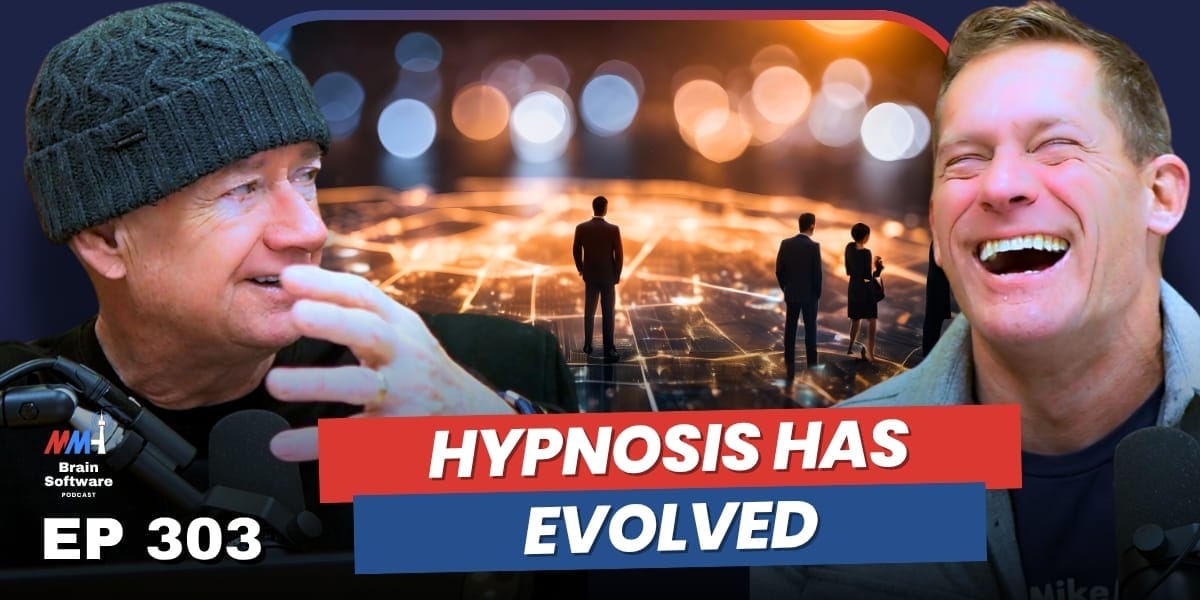
Hypnosis has traveled a long and fascinating road—from the theatrical "animal magnetism" of Franz Anton Mesmer to the conversational genius of Milton H. Erickson, all the way to modern emergent techniques.
In this episode, we explore how trance has shifted from a method of strict, authoritarian control to a beautiful, client-centered collaboration. The biggest takeaway from tracing this history is a powerful lesson for both hypnotists and everyday life: the less you do, the more effective the process becomes. By stepping back and facilitating rather than forcing, you allow true, organic change to naturally emerge.
What You'll Learn
- The Flawed Beginnings: Early hypnosis relied on the prestige and theatrics of figures like Mesmer, who mistakenly believed in "animal magnetism" rather than the actual mechanisms of belief and focused attention.
- The Direct Era: James Braid introduced a scientific shift using eye fixation, leading to an era of authoritarian hypnotists who relied heavily on scripts and direct commands.
- Erickson's Revolution: Milton H. Erickson transformed the field by moving away from direct methods and embracing a conversational, collaborative approach tailored to the client's needs.
- Emergent Approaches: Modern techniques like Clean Language, Mindscaping, and Mirroring Hands allow trance to emerge naturally, treating the hypnotist as a facilitator rather than a controller.

Learn Hypnosis Online
With the Mike Mandel Hypnosis Academy.
World Class Training—Hypnotize Anyone.
Episode Summary
In this episode of the Brain Software Podcast, Mike Mandel and Chris Thompson explore the organic evolution of hypnosis. The discussion traces the historical journey of trance, starting with Franz Anton Mesmer's highly theatrical and flawed model of animal magnetism. From there, they explain how James Braid shifted the practice toward a more scientific, direct approach focusing on eye fixation and suggestion.
The episode highlights a major turning point in the field: the revolutionary work of Milton H. Erickson. Erickson moved hypnosis away from authoritarian scripts and passive subjects, introducing a collaborative, conversational approach utilizing indirect suggestion and metaphor. This flexible approach laid the groundwork for neurolinguistic programming (NLP) and modern conversational hypnosis.
Finally, the conversation shifts to modern, client-centered methods like Clean Language, Mindscaping, and Mirroring Hands. The ultimate takeaway is a powerful paradigm shift for modern practitioners: the less the hypnotist does, the more effective the hypnosis becomes. By staying out of the way, facilitators can enable profound, organically emerging changes.
Additional Resources:
Click here to subscribe to this podcast in iTunes at OR just search for "Brain Software" in your favorite podcast app.
Follow Us & Stay Connected
- Facebook: https://www.facebook.com/mikemandelhypnosis
- X (Twitter): @MandelHypnosis
- Instagram: @mikemandelhypnosis